 7:00
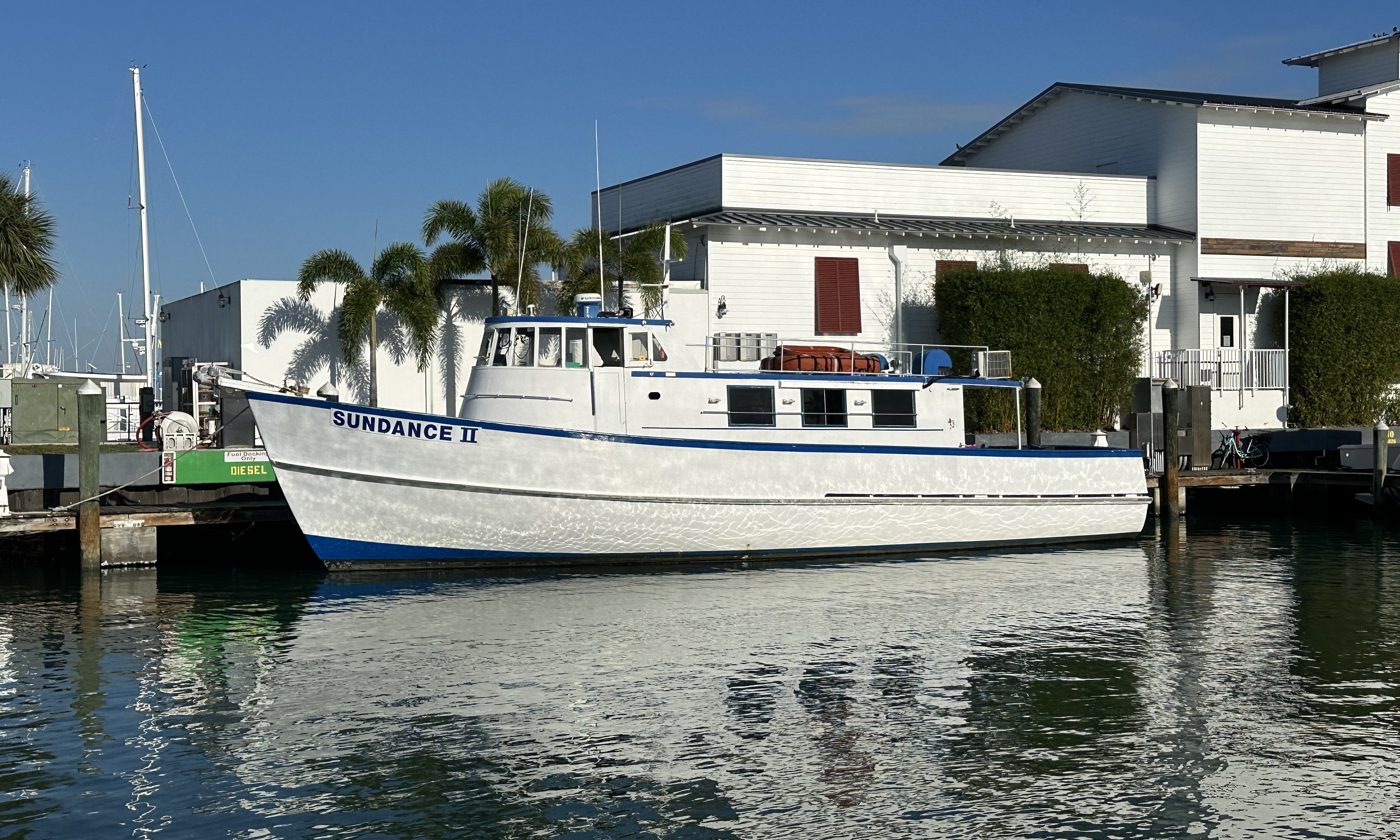
7:00Check-in on the Kokomo
Earlier than the other camps because the boats run further. Check in aboard the Kokomo, gear check, seasickness meds already taken, and the captain's plan: which spot, which bait.
Boats don't wait. Be here at 7.
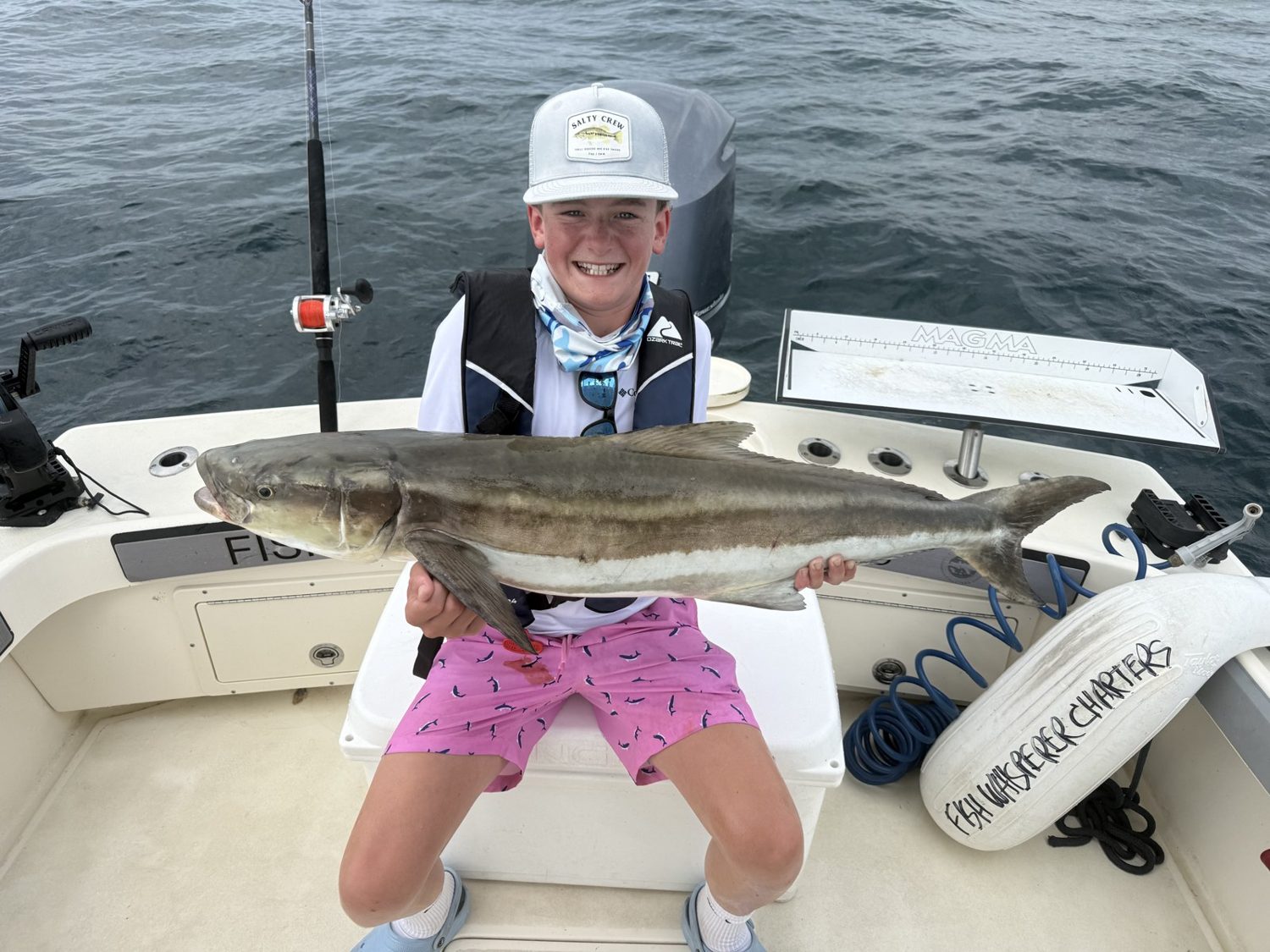
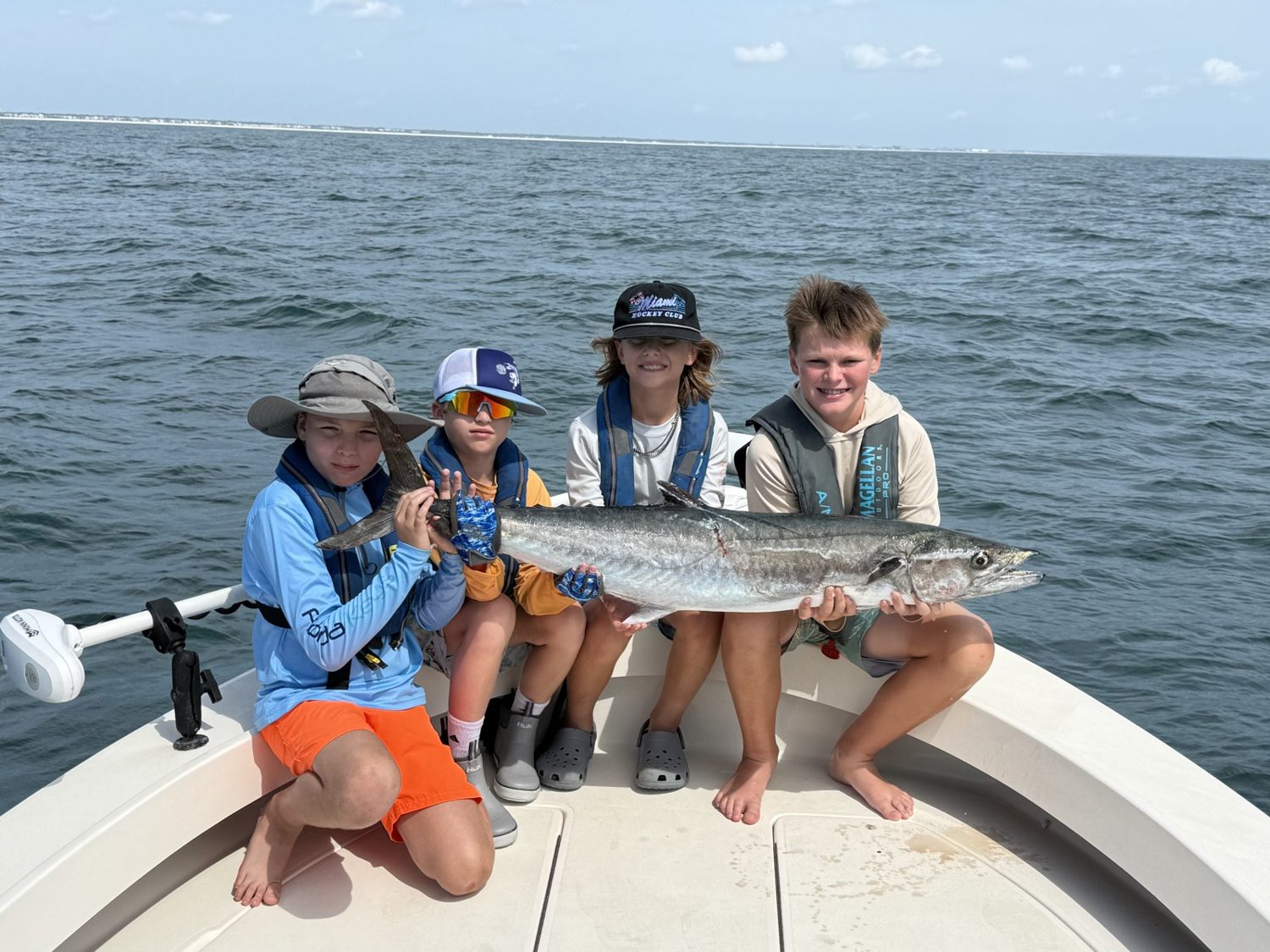
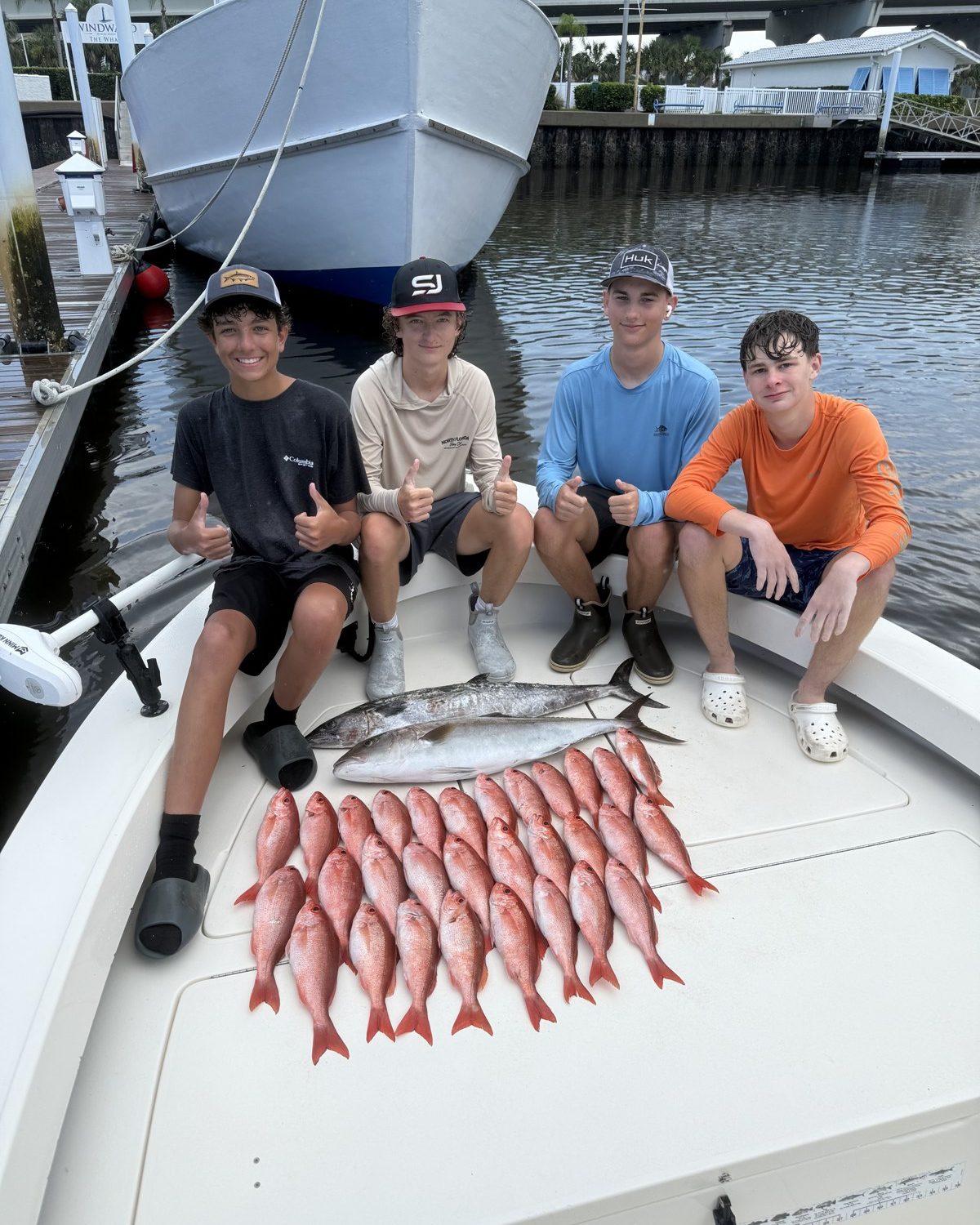
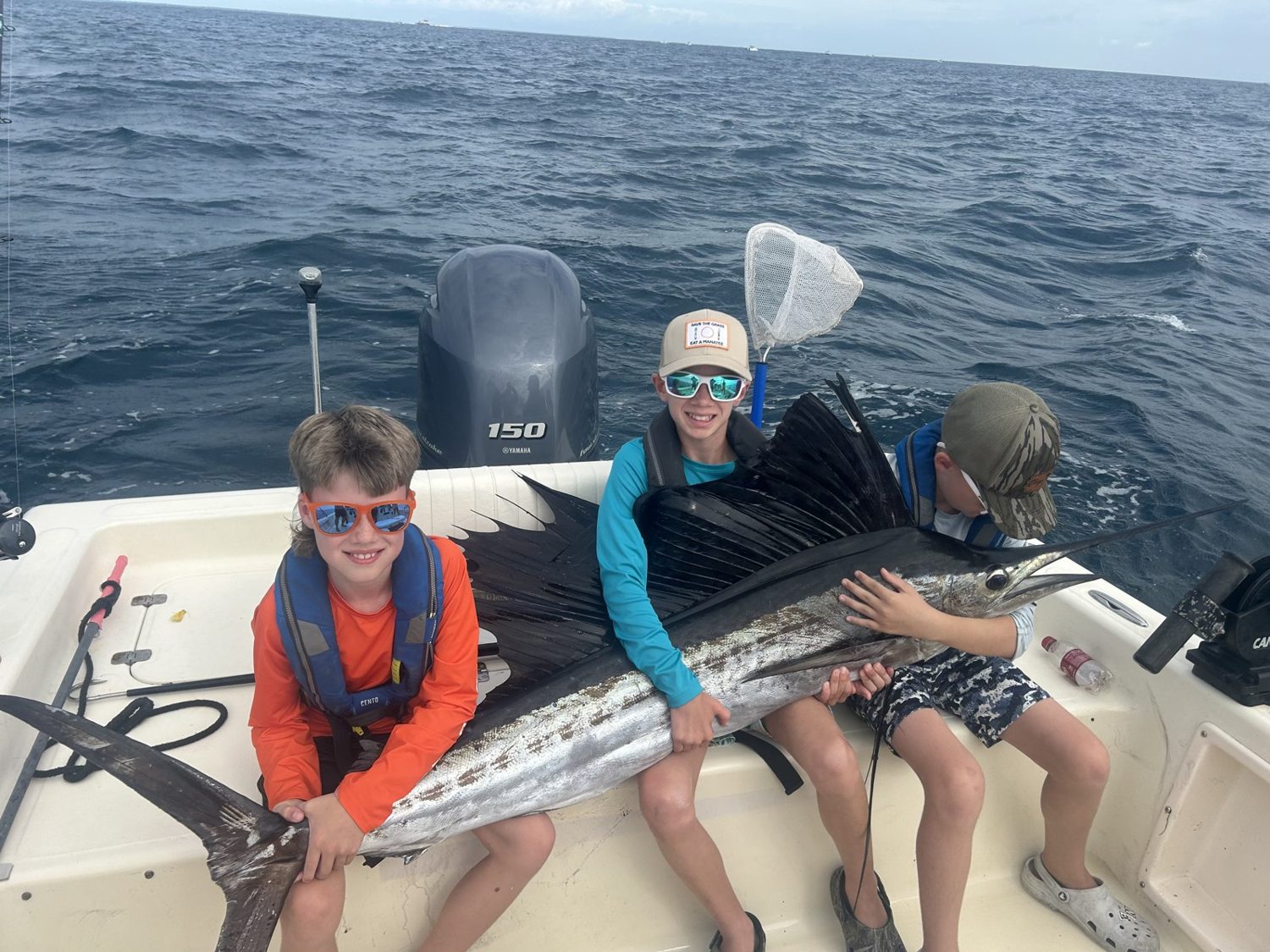
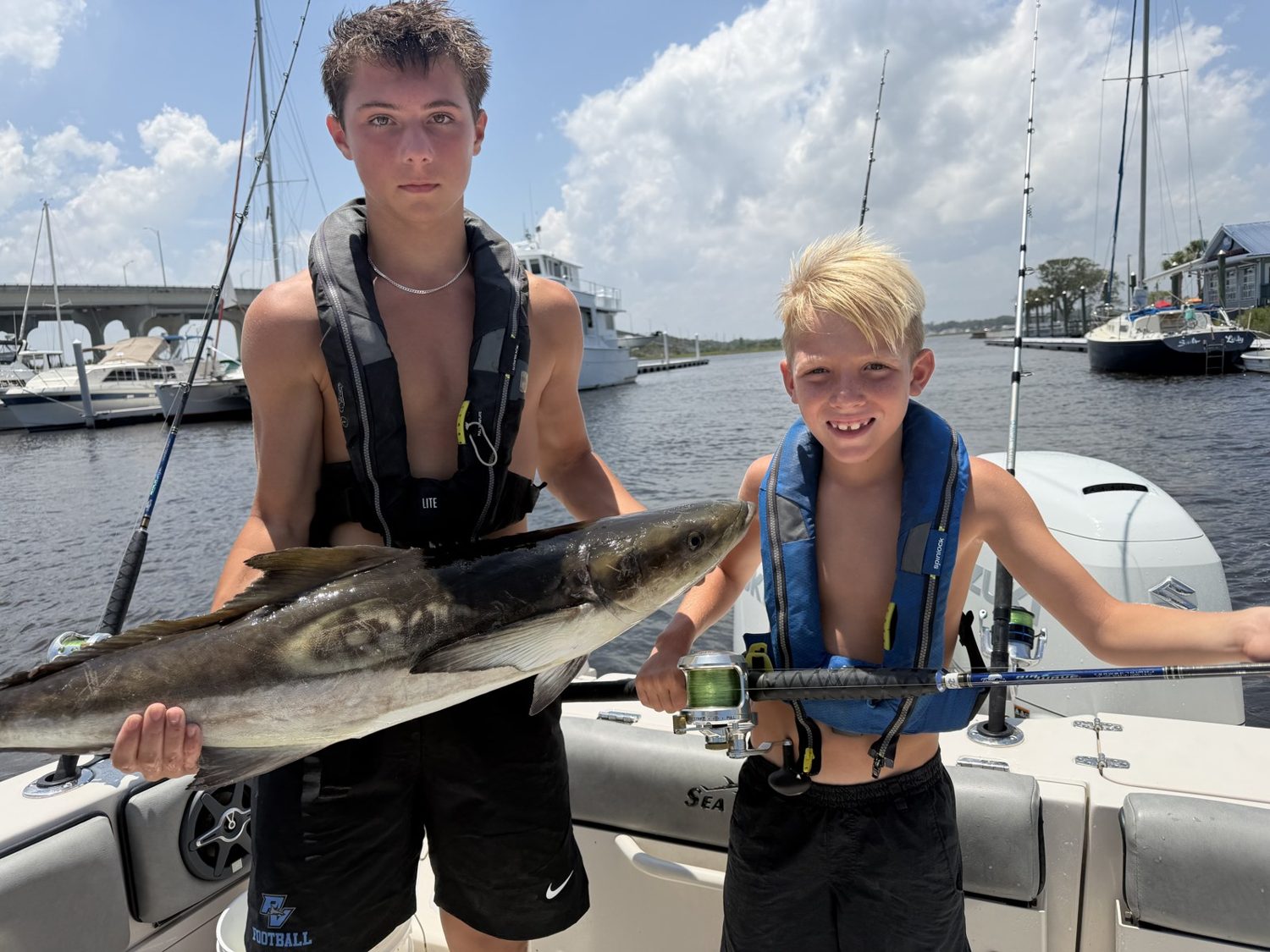
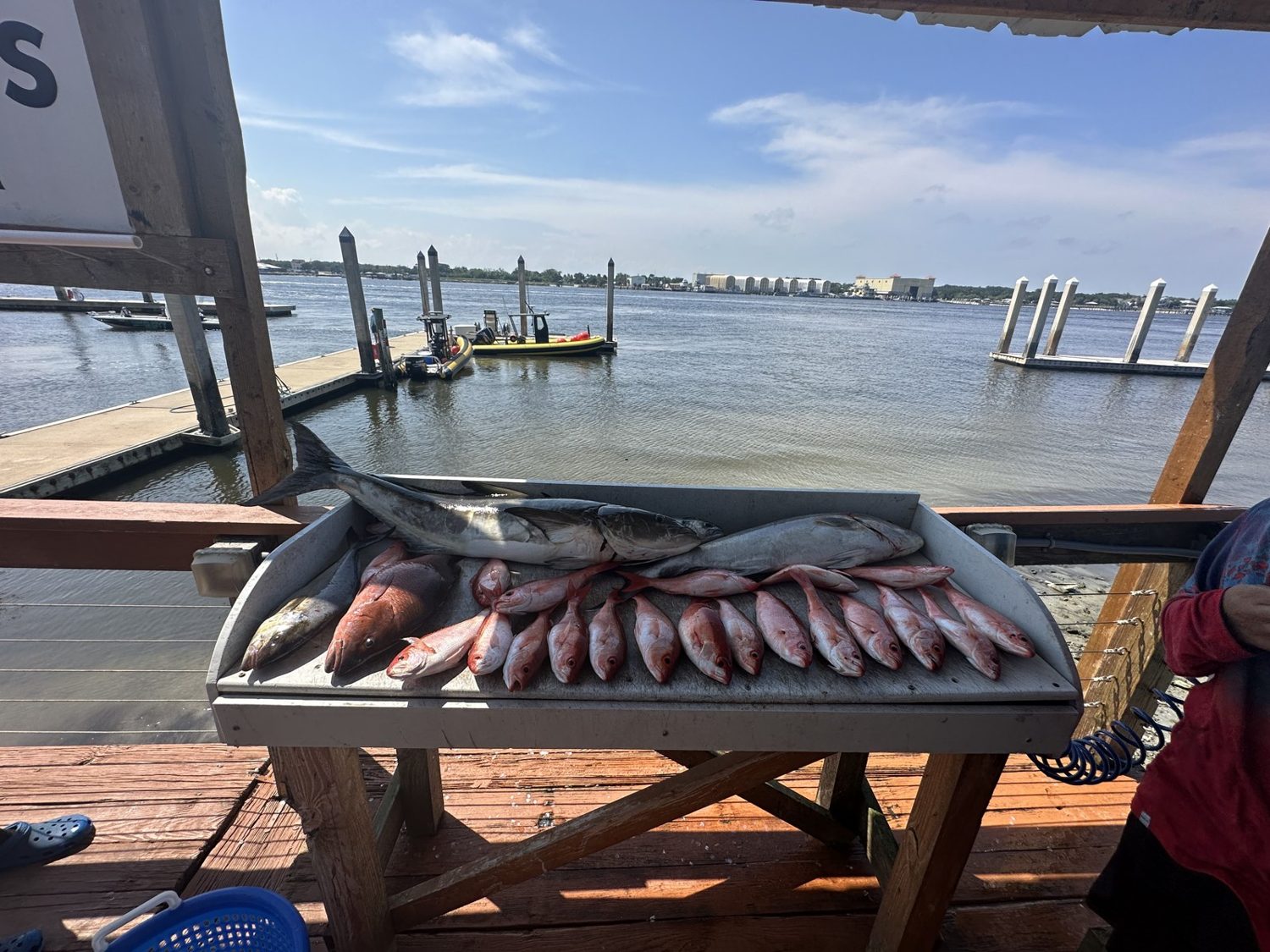
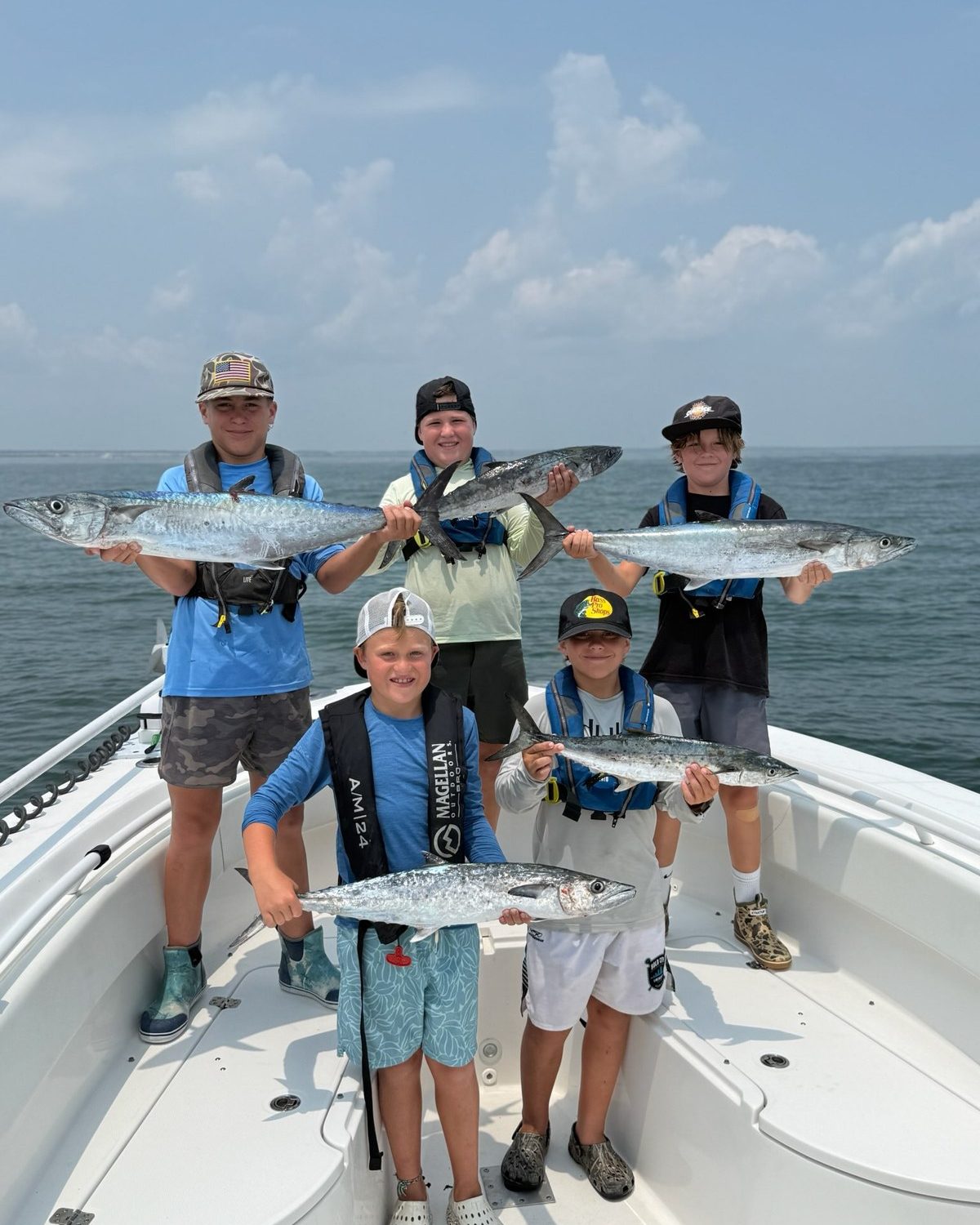
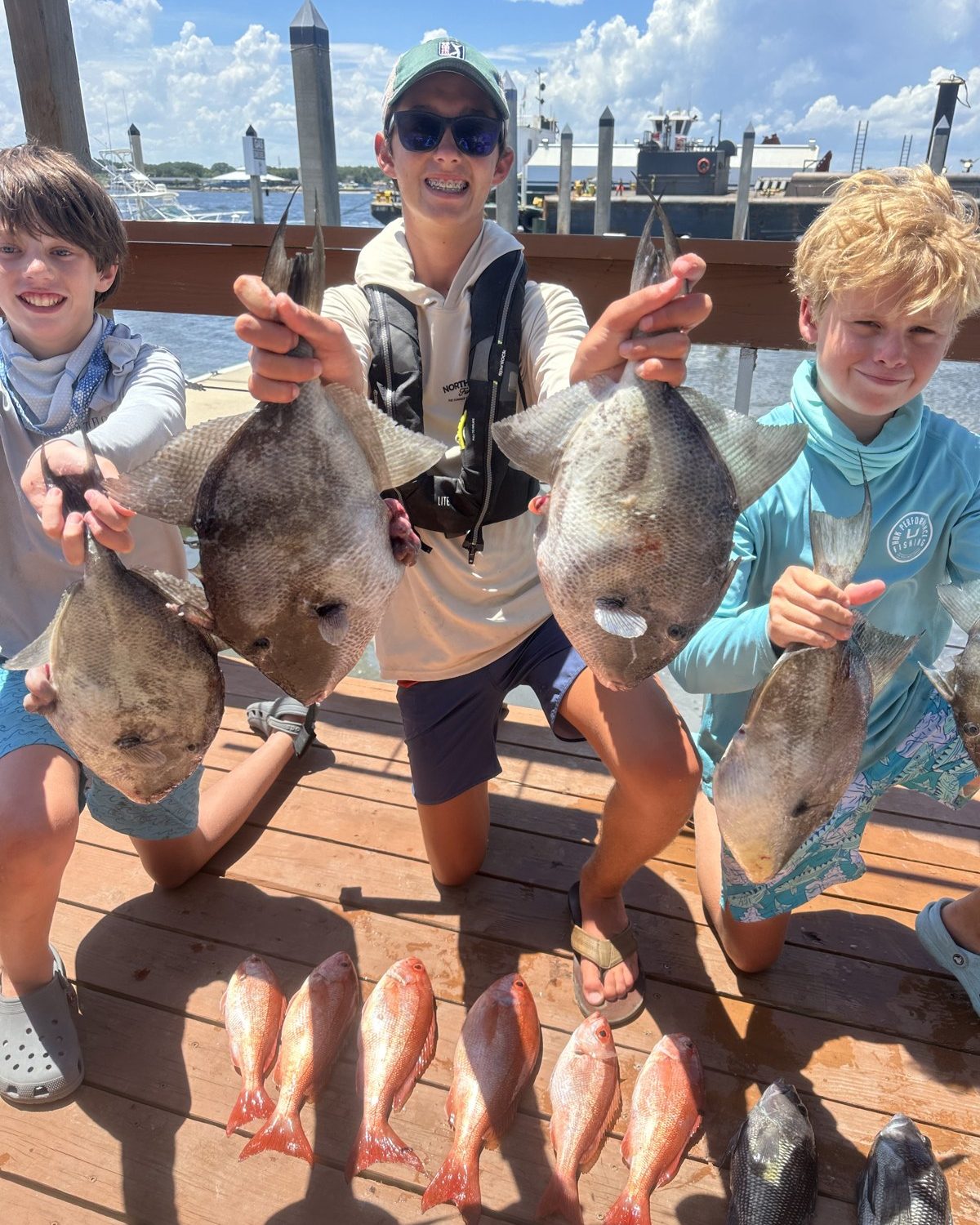
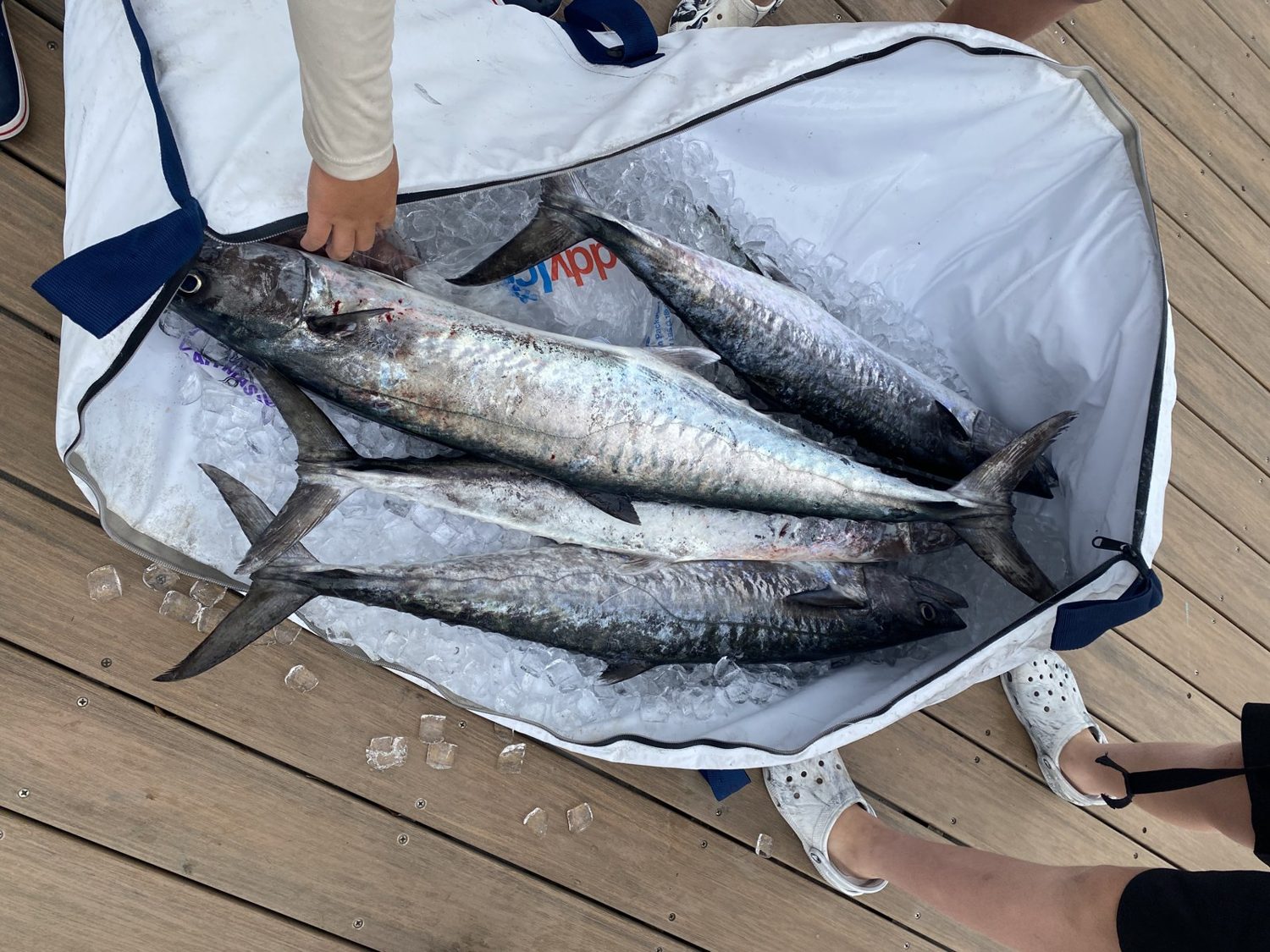
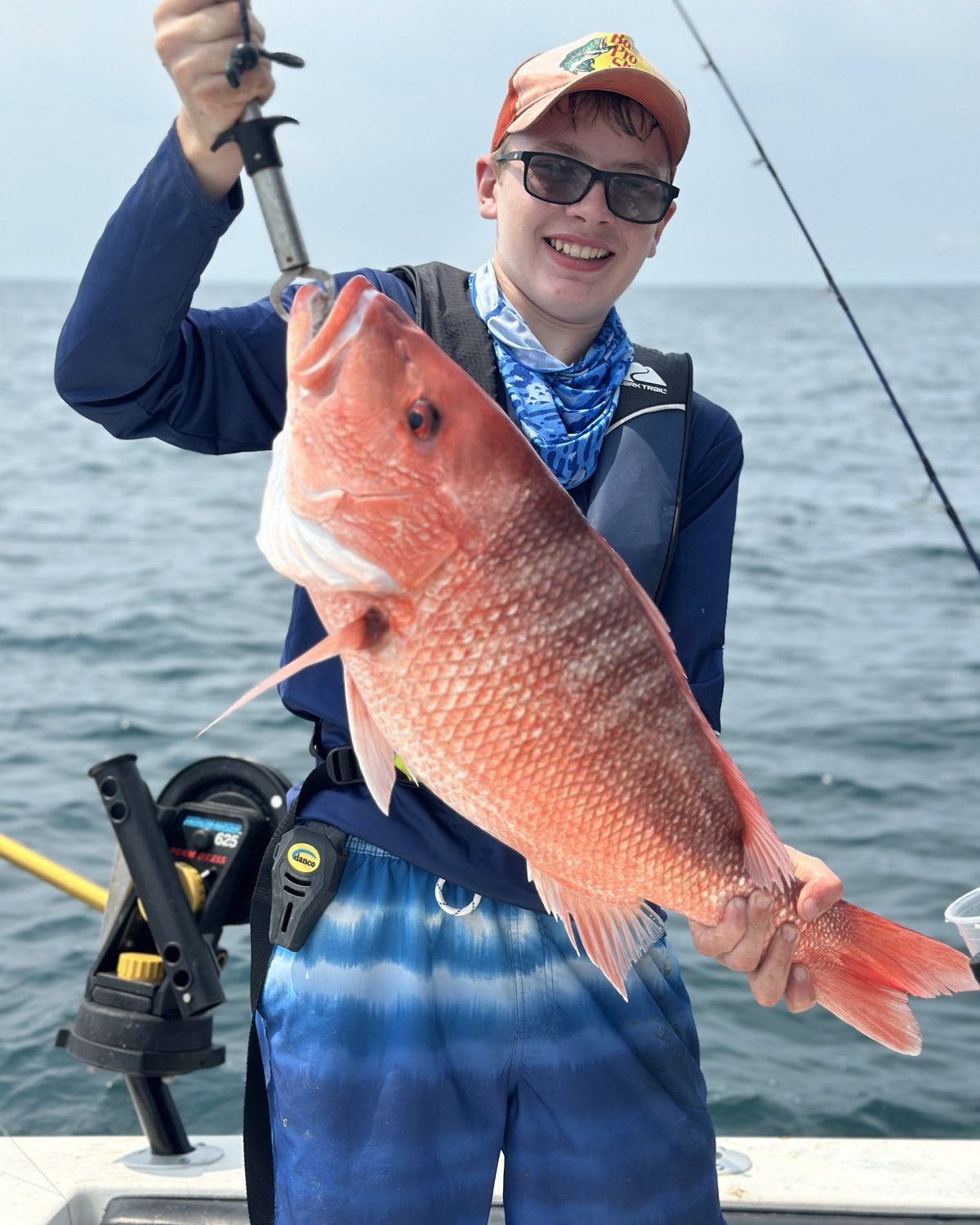
Four long days on the water — two 6-hour and two 8-hour charters, built to be spent offshore. For campers who are comfortable on a boat — no fishing experience needed. And this is the week they keep the fish.
A day at advanced camp
This is an 8-hour day. On the 6-hour days the boats are back two hours earlier and campers fish the dock until pick-up at 3:30–4:00.
7:00Earlier than the other camps because the boats run further. Check in aboard the Kokomo, gear check, seasickness meds already taken, and the captain's plan: which spot, which bait.
Boats don't wait. Be here at 7.
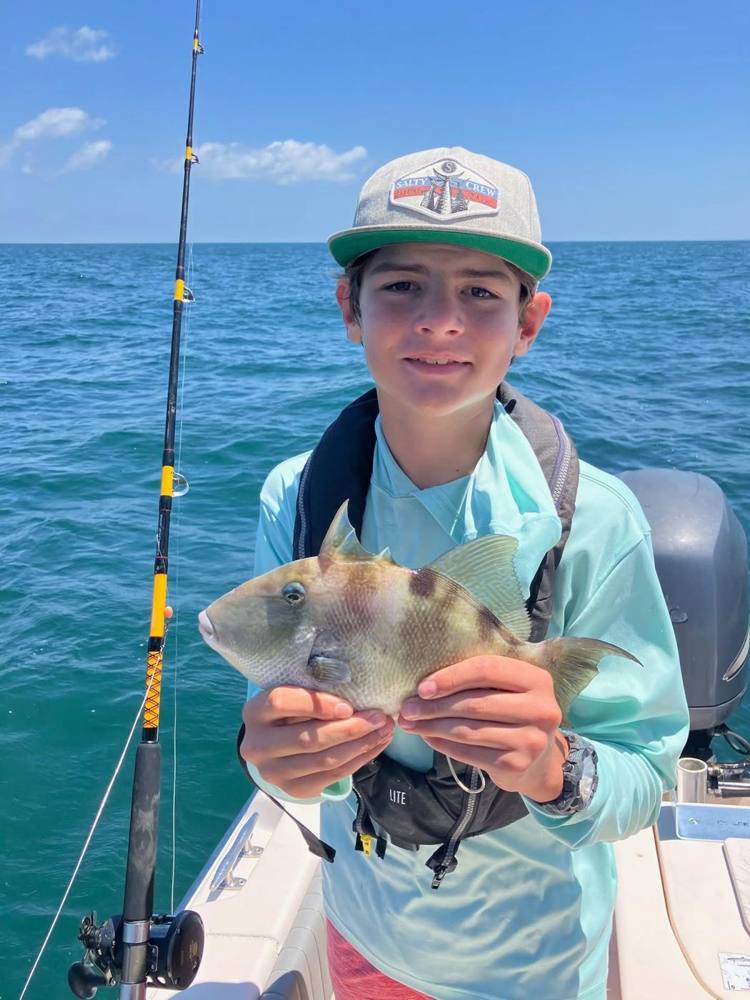
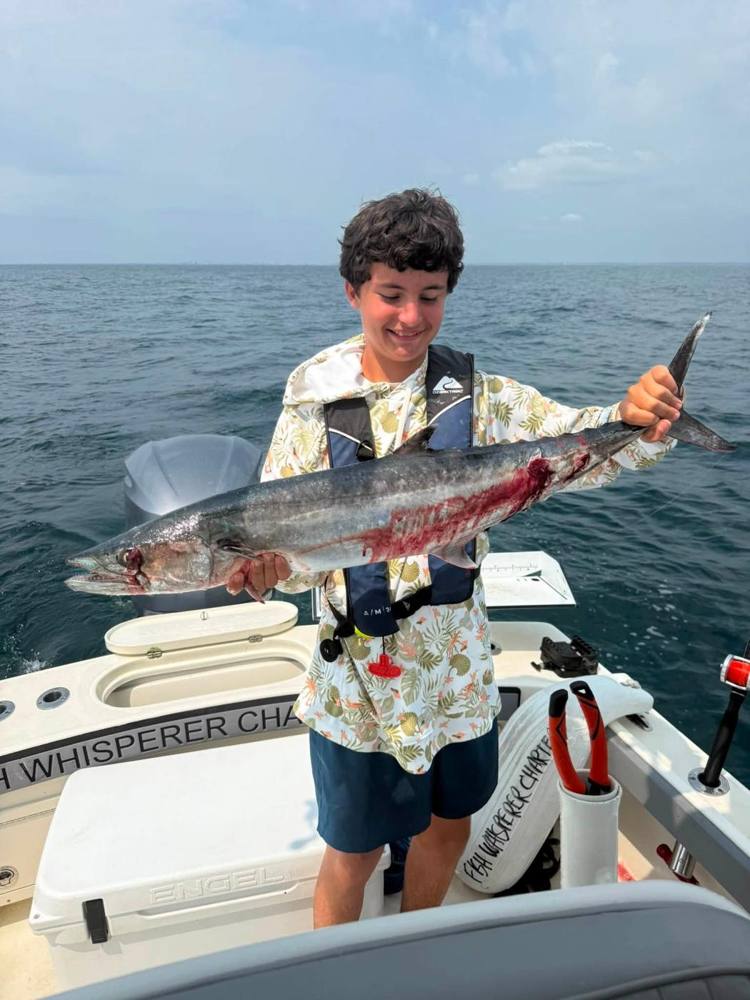
On the offshore days it's a real run — up to 30 miles when the weather allows, out to the reefs and wrecks for mahi, amberjack, triggerfish, kingfish and b-liners. If the seas won't allow it, the captains switch to advanced inshore fishing: tarpon, redfish, flounder and trout.
Unit 4 · Navigation & tides
Six or eight hours on the water. Bottom fishing, trolling, live-baiting, sight-casting to tarpon on the inshore days. Four campers, a licensed captain and a counselor per boat.
The part they'll talk about all year.
Big lunch, extra snacks, water. We eat between spots and keep fishing. On 6-hour days we're heading in about now.
Pack more food than you think.
 3:00
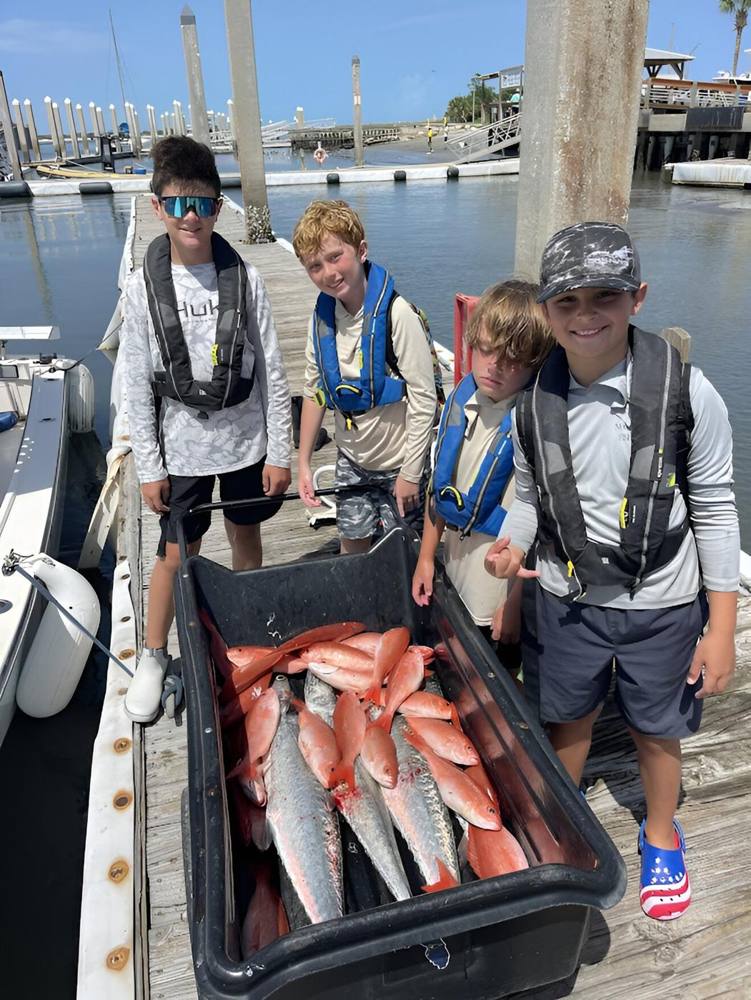
3:00Catch on the table. Campers learn to fillet, and the day's keepers are filleted and split between everyone on the boat — bring a cooler in the car.
Unit 3 · Fish biology & conservation
Dock fishing if there's daylight left, then pick-up between 3:30 and 4:00 depending on the charter. The recap and the photos land in your parent account that evening.
No fish fry this week — the fish go home with them.
The week
Every day is a 6- or 8-hour charter, compared to the 4-hour trips at our other camps. The week is built to be spent offshore; if the seas won't allow it, the captains switch to more advanced inshore fishing instead — tarpon, bull reds, flounder and trout.
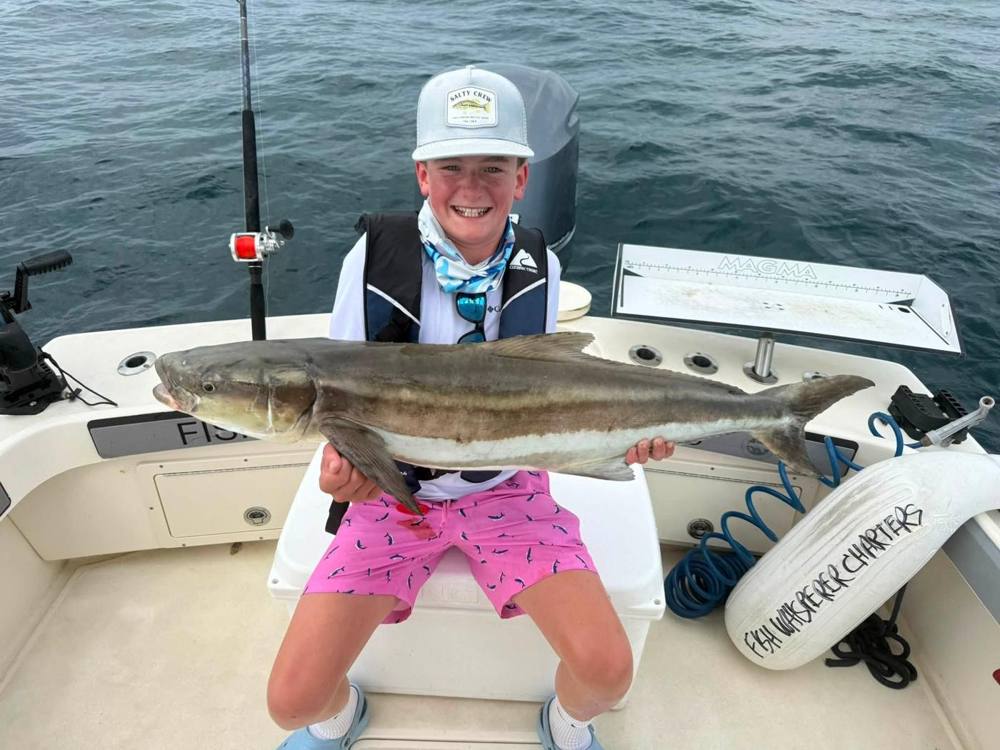
Monday
Out the inlet to the reefs and wrecks. Kingfish, cobia, triggerfish and b-liners. Too rough? Tarpon along the beach and bull reds on the channels instead.
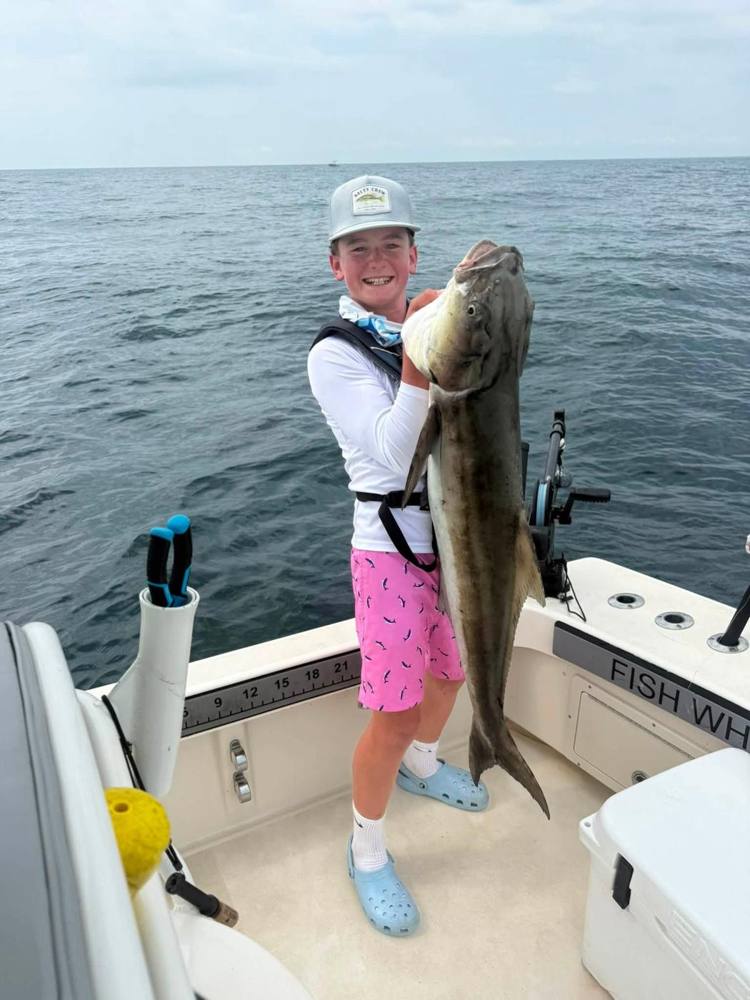
Tuesday
The first long run offshore. Amberjack, triggerfish, b-liners, mahi when they're around, kingfish on the way in.
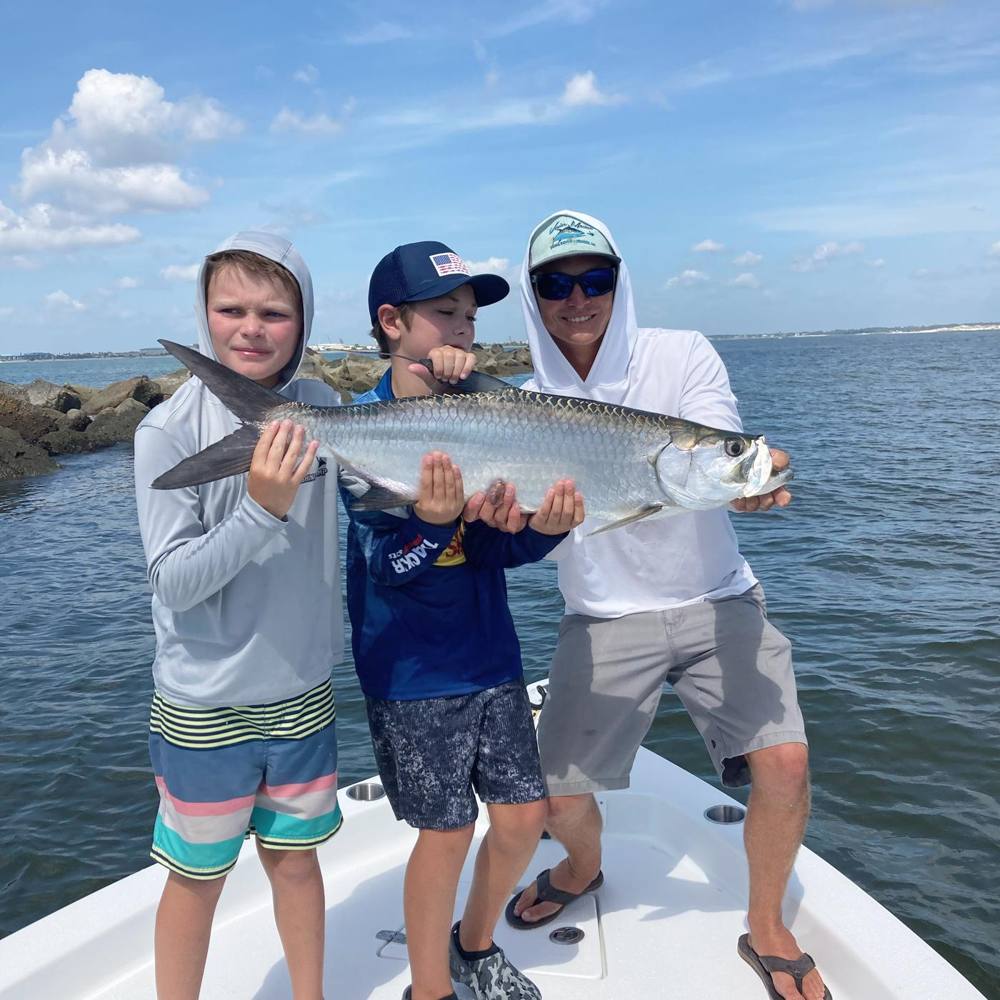
Wednesday
Back out for cobia, kings and whatever the wrecks are holding. If the seas say no, it's an advanced inshore day on the tarpon. The captains call it at 7.
Thursday
The second long run. Red snapper in season, amberjack, and a real shot at a sailfish. Coolers go home full.
Weather decides the order — two 6-hour and two 8-hour charters over the four days, however the windows fall. Too rough offshore and we fish inshore that day; if a whole day can't run, it's made up or prorated.
Who this is for
The only camp that goes to 16. Most are returning campers, but plenty come straight in.
No fishing experience needed — the captains and counselors teach on the boat. What matters is being okay on open water for eight hours.
Our standard boat: a U.S. Coast Guard licensed captain and a CPR-certified counselor, same as every camp.
If you don't know how your camper handles open water, do a week of day camp first and work up. We'll tell you honestly if they're ready.
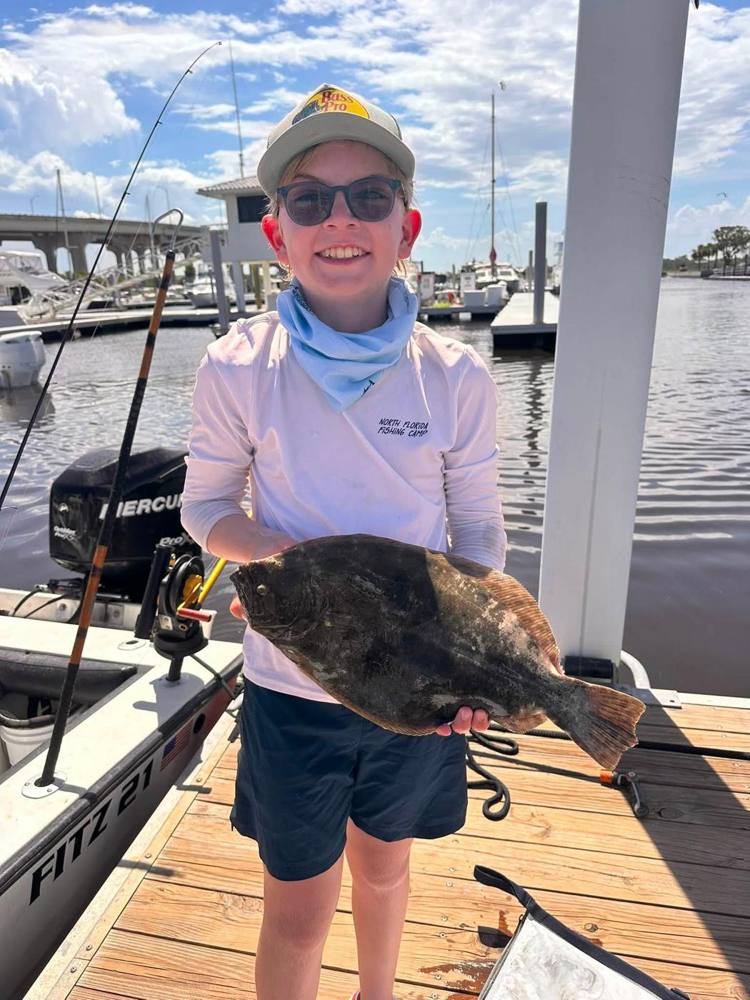
What happens to the fish
Every keeper is filleted at the cleaning table and divided between the campers on that boat. Slot and bag limits still apply, and they learn to fillet their own.
No Friday fish fry at Advanced Camp — the fish go home in your cooler every afternoon.
The details
Late pick-up: $30/day until 6 PM. Add it in your parent account any time.
2027 sessions
$400 deposit holds a spot; the balance is due 30 days before camp. Full refund up to 30 days out — inside that, a refund if your spot fills, otherwise a credit good for any available camp in the next 12 months.
Your side of the week
Advanced camp questions
No. Advanced means longer days and bigger water, not a skills test. The captains teach on the boat. The real question is whether they're comfortable on open water for six to eight hours.
If they've been offshore before and were fine, they're fine. If you don't know, a week of day camp first is the honest answer — the beach days there are a good preview. Meds taken the night before and at breakfast help most kids.
Yes — Monday to Thursday, no Friday and no fish fry. All four are long days: two 6-hour and two 8-hour charters, compared to the 4-hour trips at our other camps.
Yes. Every keeper is filleted at the dock and split between the campers on that boat. Bring a cooler in the car each day.
Up to about 30 miles when the weather allows — further than day camp or overnight camp go, which is why the days are 6 and 8 hours. Bottom fishing on the reefs and wrecks, trolling on the way out and back.
The camp is built to be spent offshore, so the captains pick the calmest windows and the order shifts during the week. If it's too rough to go out, we fish inshore that day with more advanced fishing — tarpon, bull reds and more. A day that can't run at all is made up on a weekend morning or prorated.
Lots do — a day-camp week in June and Advanced in July is the most common combination. Sibling discount applies across weeks.
Full refund up to 30 days before camp. Inside 30 days, a refund if your spot fills; otherwise your payment becomes a credit for any available camp in the next 12 months, transferable to a sibling.
Not sure which camp?
Day camp
Ages 7–15 · Mon–Fri 7:30–3:00 · $1,099
Inshore, and offshore on the calm days. Home every night. The place to start.
Explore day camp →Sleep-away
Ages 9–15 · Sun–Fri · $2,499
Dorms at Jacksonville University, the 55-foot head boat, a dedicated offshore day.
Explore overnight →You're here
Ages 9–16 · Mon–Thu · $1,599
Two 6-hour and two 8-hour charters. Campers keep their fish.
Summer 2027
Registration is open. Every week has filled the last few summers — grab yours early.
See the sessions